Discover how gardening with kids this spring builds life skills, curiosity, and healthy habits while creating meaningful outdoor family time.
Looking for a meaningful, screen-free activity to enjoy with your children this spring? Starting a garden together is a simple yet powerful way to combine outdoor fun, hands-on learning, and quality family time. Beyond planting seeds, gardening helps children develop life skills, curiosity, and a deeper appreciation for nature.
Spring’s warmer days and longer sunlight hours make it the ideal season to dig in and grow something special together.
The Benefits of Gardening With Children
Gardening is much more than a backyard hobby. For children, it’s an interactive learning experience that nurtures growth in more ways than one.
Here’s what children gain from gardening:
- Responsibility: Caring for plants teaches accountability and consistency.
- Understanding of nature: Children learn how seeds transform into thriving plants.
- Patience: Waiting for sprouts, flowers, and vegetables builds perseverance.
- Motor skill development: Digging, watering, and planting improve coordination.
- Healthy eating habits: Children are more likely to try fruits and vegetables they’ve grown themselves.
Watching their efforts bloom gives children a strong sense of pride and accomplishment.
A Simple Guide to Starting a Garden With Children
Whether you have a large yard, a small patio, or just a sunny windowsill, you can create a fun and safe gardening space for your children.
1. Choose a Sunny Location
Most plants thrive with at least 6-8 hours of sunlight. Pick a spot that’s easy for kids to access so they can check on their plants daily.
Containers on a balcony, porch, or windowsill work beautifully.
2. Let Kids Help Plan the Garden
Giving children ownership makes them more excited and invested. Let them choose what to grow, especially beginner-friendly plants such as:
- Cherry tomatoes
- Strawberries
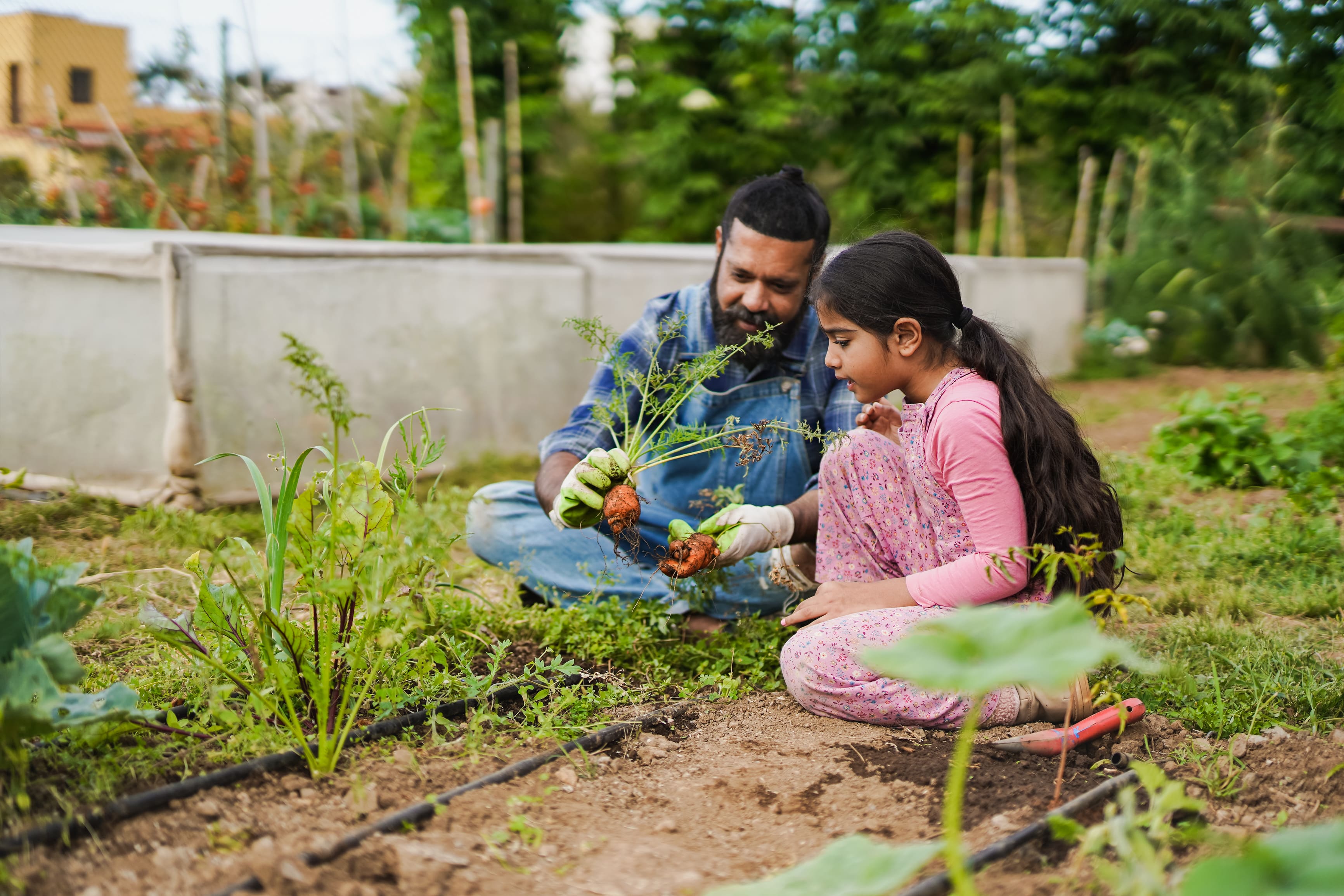
- Carrots
- Snap peas
- Sunflowers
- Wildflowers (great for attracting pollinators!)
Fast-growing plants are especially rewarding because children can see progress quickly.
3. Provide Kid-Sized Gardening Tools
Small gloves, lightweight watering cans, and child-sized trowels make gardening easier and more enjoyable. When tools fit comfortably in their hands, children feel capable and confident.
4. Decide Between Seeds or Seedlings
Starting from seeds allows children to witness the entire growth process, which can feel magical. If patience is limited, seedlings offer quicker results and help maintain enthusiasm.
Either way, watching a tiny plant grow reinforces the life cycle in a tangible way.
5. Add Creativity and Play
Make the garden feel like their own little world. You can:
- Start a garden journal for drawings and growth tracking
- Paint and label rocks as plant markers
- Build a small birdhouse
- Add whimsical touches like fairy houses or garden figurines
When gardening feels playful, children stay engaged longer.
6. Turn Gardening Into a Learning Experience
Use each session as a mini science lesson. Talk about what plants need to thrive like sunlight, water, healthy soil and compare it to what people need to grow strong and healthy too.
Encourage questions and explore answers together. Curiosity is one of the best things you can cultivate.
7. Celebrate the Results
Harvest day is the most exciting part. Let your children pick vegetables, gather flowers, or prepare a simple meal using what they grew.
Whether it’s a bowl of fresh strawberries or a bouquet of sunflowers, celebrating their efforts makes the experience unforgettable.
Growing More Than Just Plants
You don’t need expert gardening skills or a big backyard to start. What matters most is spending time together, getting your hands dirty, and nurturing something from the ground up.
This spring, plant more than seeds, plant confidence, patience, responsibility, and joy. Happy gardening!