10 easy water play activities for toddlers that keep children cool, support sensory learning, and encourage fun summer development at home.
With a few everyday items, you can turn warm days into exciting learning experiences.
Water play is more than just fun, it helps support your child’s development through sensory exploration, movement, and early problem-solving. Below are easy, safe, and creative water activities perfect for infants and toddlers.
Why Water Play Is Great for Toddlers
Warm weather creates the perfect opportunity for outdoor play that keeps children refreshed. Water-based activities help children:
- Strengthen fine and gross motor skills through pouring, squeezing, and splashing
- Improve hand-eye coordination and muscle control
- Explore sensory experiences like temperature, texture, and motion
- Build early language skills by describing what they see and feel
- Develop curiosity and confidence through open-ended play
Fun & Simple Water Play Activities
1. Sensory Water Balloons
Fill balloons halfway with water so they remain soft and squishy. Place them in a shallow bin or on a soft outdoor surface where your toddler can safely explore them.
Children will enjoy squeezing, rolling, tossing, and even gently bouncing the balloons. You can encourage them to compare sizes, weights, and how they move differently when pushed.
This activity is excellent for sensory development because it introduces a unique texture that changes shape with pressure. It also helps improve grip strength and coordination. Always supervise closely and remove any broken balloon pieces immediately to avoid choking hazards.
2. Homemade Splash Mat
Create a simple splash area using a plastic sheet, tarp, or even a shower curtain. Add a thin layer of water and place a few favorite toys on top to invite exploration.
Toddlers can sit, crawl, or walk across the surface, splashing and moving freely. You can enhance the experience by adding ice cubes, cups, or soft objects for added texture and interest.
This activity encourages full-body movement and helps children become more comfortable with water. It also supports balance and coordination while offering a refreshing way to stay cool on hot days.
3. Pouring and Scooping Station
Set up a water station using a bucket or large container filled with water, along with cups, spoons, ladles, and small bowls. Invite your toddler to scoop water and pour it into different containers.
Children are naturally fascinated by watching water move, spill, and change levels. You can introduce simple concepts like “full,” “empty,” “more,” and “less” during play.
This activity strengthens fine motor skills and hand control while also introducing early math and science concepts. It’s a great way to encourage independent exploration and problem-solving.
4. Sponge Squeeze Game
Provide your child with a few soft sponges and two containers, one filled with water and one empty. Show them how to dip the sponge into the water and then squeeze it into the empty container.
Toddlers will enjoy repeating the process as they watch the water transfer from one container to another. You can turn it into a simple game by seeing how quickly they can fill the empty container.
This activity helps build hand strength and coordination, which are important for later skills like writing. It also introduces cause-and-effect learning in a fun, hands-on way.
5. Toy Car Wash
Turn water play into imaginative play by setting up a mini car wash. Provide toy cars, a container of soapy water, and a soft brush or sponge.
Your toddler can scrub, rinse, and “clean” their toys, just like a real car wash. Adding bubbles makes the experience even more engaging and visually exciting.
This activity encourages pretend play while also helping children understand everyday routines. It promotes creativity, independence, and responsibility in a playful setting.
6. Ice Play Exploration
Place a handful of ice cubes in a shallow tray and let your toddler explore them freely. You can also freeze small toys inside the ice for an added surprise element.
Children will notice how cold the ice feels and how it slowly melts into water. Encourage them to touch, slide, and observe the changes over time.
This simple activity introduces early science concepts like temperature and melting while providing a calming sensory experience. It also sparks curiosity and observation skills.
7. Water Painting Outdoors
Give your toddler a paintbrush and a small bucket of water, then let them “paint” outdoor surfaces like fences, sidewalks, or walls.
They’ll enjoy making marks and watching them disappear as the water dries, which adds an element of discovery to the activity. You can encourage creativity by suggesting shapes, patterns, or drawings.
Water painting is mess-free and perfect for developing fine motor skills, creativity, and hand control. It also allows children to express themselves without the need for cleanup.
8. Bubble Foam Play
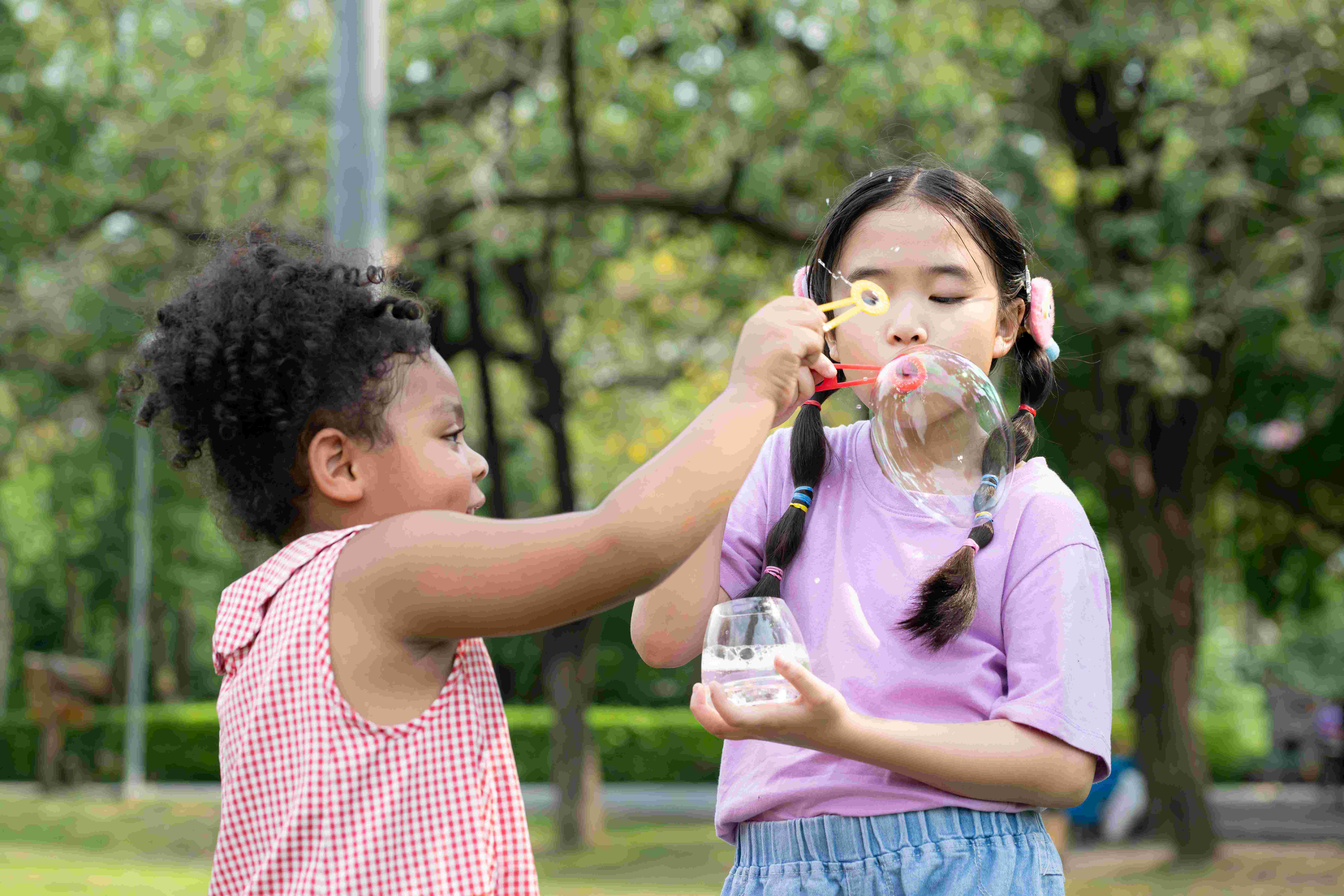
Create a bin of foamy bubbles using water and tear-free soap. Let your child explore the foam by scooping, squeezing, and spreading it around.
You can add small toys or cups to extend the play and encourage imaginative scenarios like “cooking” or “washing.”
This activity provides a rich sensory experience and helps develop tactile awareness. It also supports imaginative play and keeps toddlers engaged for longer periods.
9. Mini Water Table (DIY Style)
If you don’t have a water table, a large storage bin or container works just as well. Fill it with water and add a variety of toys such as cups, spoons, floating objects, and small containers.
Toddlers can stand or sit beside the bin and explore freely, pouring, splashing, and experimenting with different objects.
This setup promotes independent play and allows children to explore at their own pace. It also encourages creativity and helps build coordination and motor skills.
10. Spray Bottle Fun
Provide child-friendly spray bottles filled with water and let your toddler spray plants, outdoor toys, or even the ground.
They’ll enjoy the cause-and-effect of squeezing the trigger and watching the water spray out. You can turn it into a simple responsibility activity by asking them to help “water the plants.”
This activity is great for strengthening hand muscles and improving coordination. It also introduces responsibility in a fun and engaging way.
Important Water Play Safety Tips
While water play is fun, safety should always come first:
- Always supervise your child closely during water activities
- Use only shallow water to reduce risk
- Regularly check for broken or small parts
- Choose safe, age-appropriate materials
- Ensure the play area is non-slip and secure
Make Summer Playful and Meaningful
You don’t need elaborate setups to create memorable summer moments. Simple water play can turn an ordinary day into an exciting learning adventure filled with laughter and discovery.
By incorporating these easy activities, you’re not just keeping your toddler cool, you’re helping them grow, explore, and develop important early skills.